Model S Espresso Tamper La Marzocco Review: Precision Coffee Tamper by Saint Anthony Industries Espresso Tamper by Saint Anthony Industries for La Marzocco

Start at $115
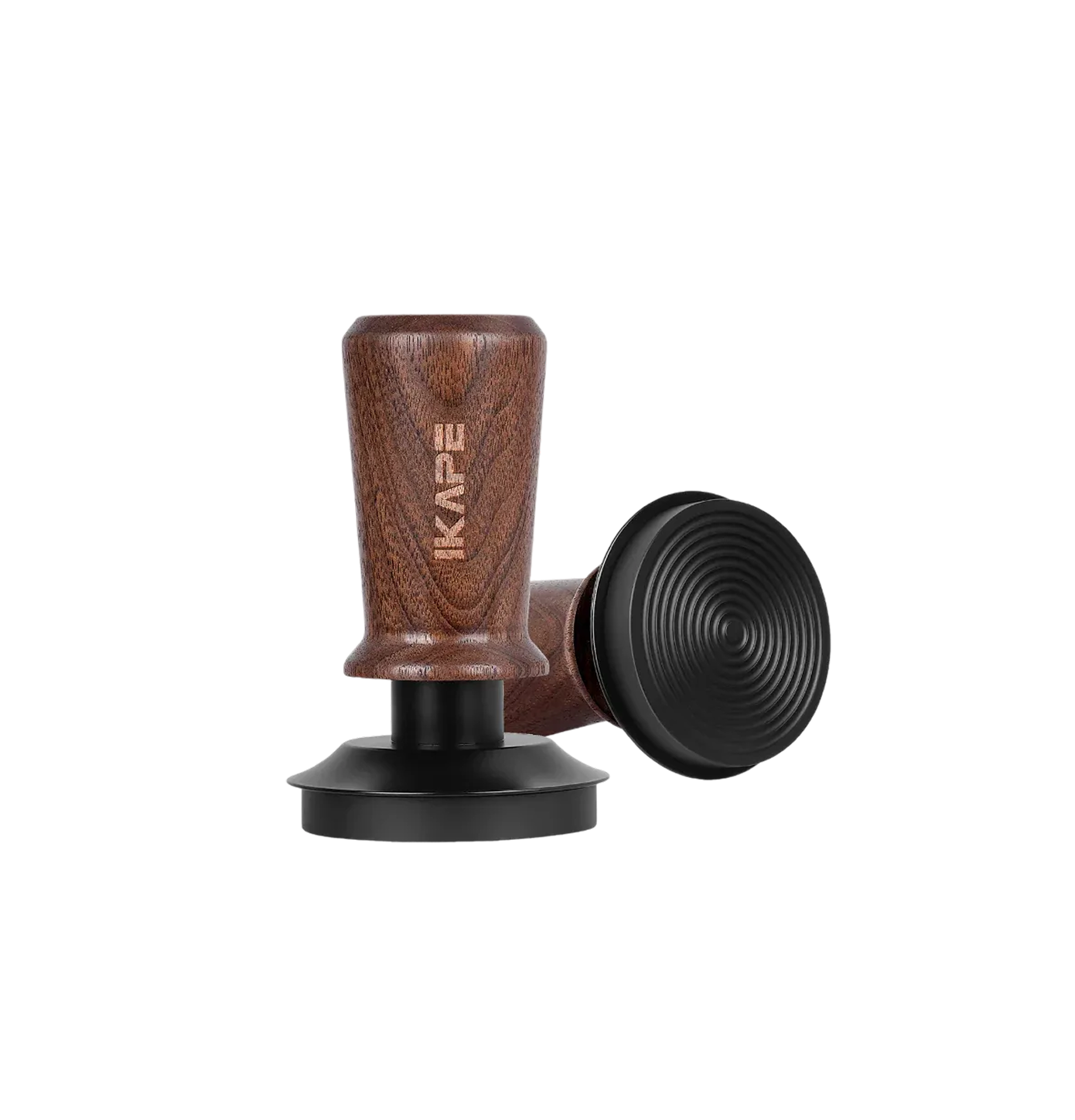
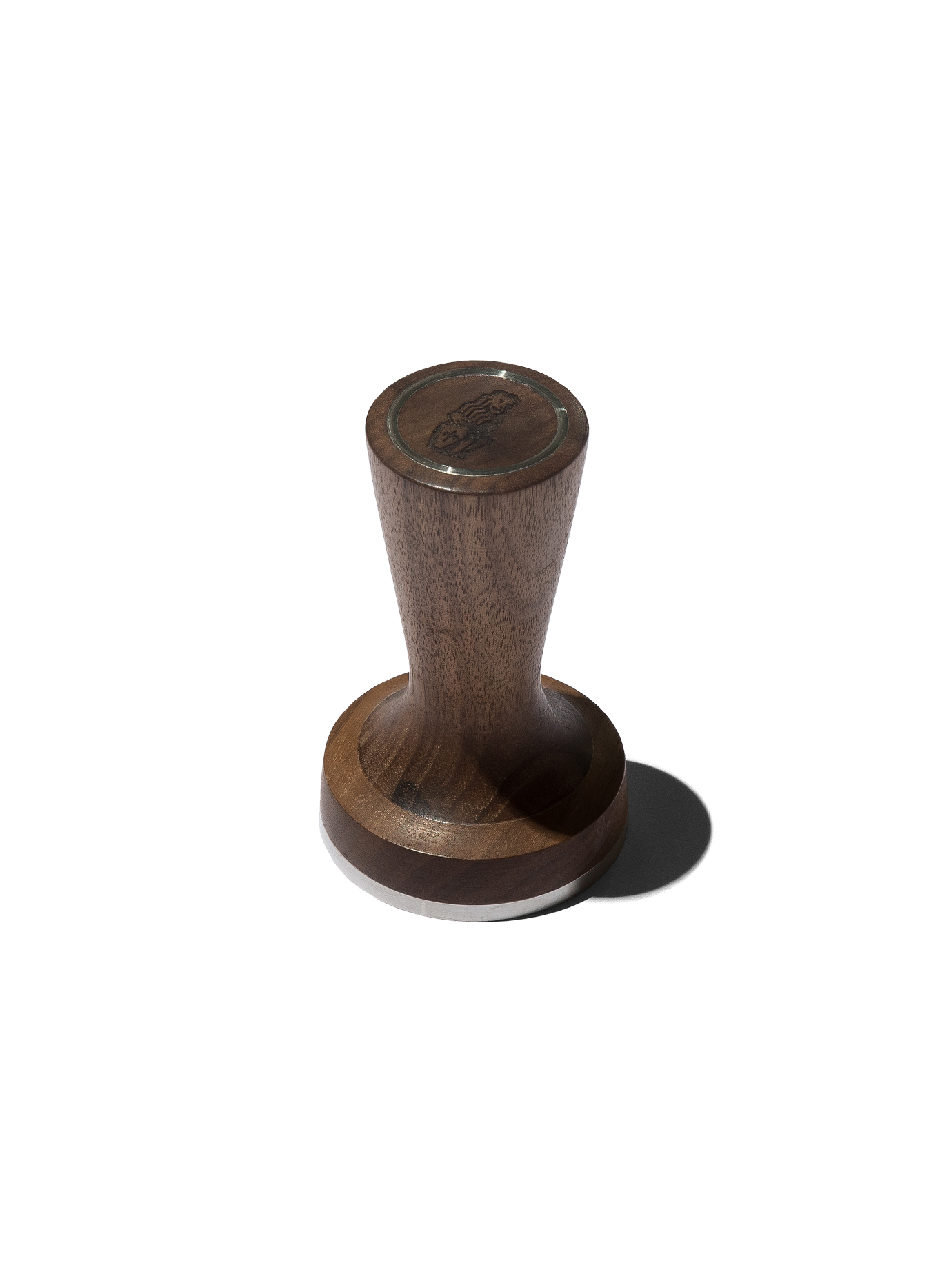
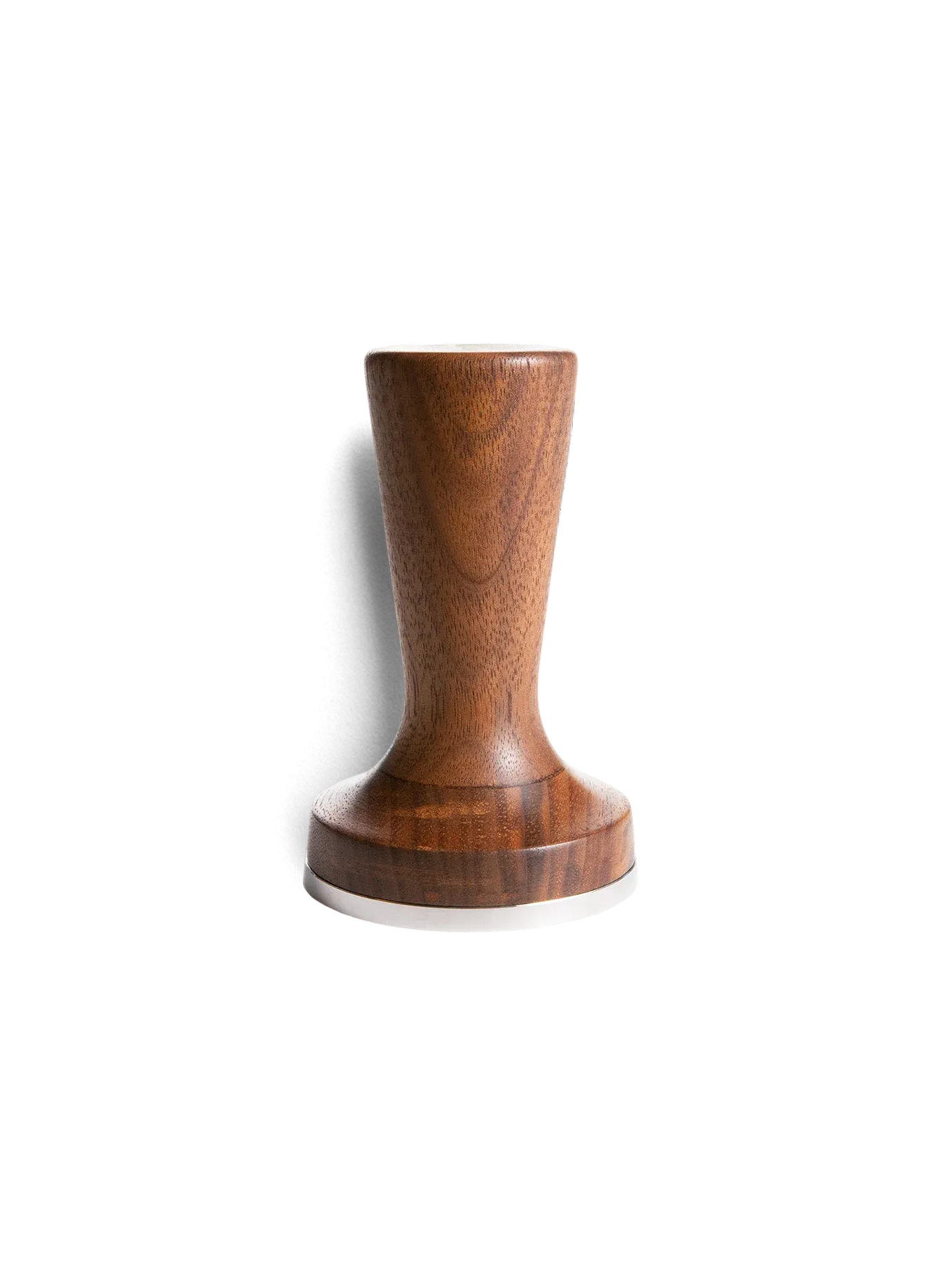
The Model S Espresso Tamper for La Marzocco is a precision-machined 58 mm coffee tamper crafted by Saint Anthony Industries in the United States for baristas who demand repeatable espresso extraction, tactile control, and long-term durability. Compatible with all La Marzocco 58 mm baskets, it is designed to deliver consistent tamping pressure, perfectly level pucks, and stable extraction resistance. For many professionals, the Model S is considered one of the best espresso tampers for 58 mm La Marzocco machines, thanks to its balance, materials, and long-term extraction consistency.
01 Core Strengths of the Model S Espresso Tamper (58 mm Precision Coffee Tamper)
-
58 mm flat stainless-steel espresso tamper base
-
Consistent pressure distribution for even extraction
-
Ergonomic hardwood handle for controlled tamping
-
Balanced mid-weight profile for repeatable tamping
-
Compatible with all La Marzocco espresso machines
02 TL ; DR Why the Model S Is a Professional-Grade Espresso Tamper
The Model S Tamper exists to solve one of the most overlooked problems in home and professional espresso: inconsistency at the foundational step — tamping. Extraction can only be as even as the density of the coffee bed allows, and this tool is engineered to make that density repeatable. Saint Anthony Industries approaches tampers the way La Marzocco approaches machines: through mechanical discipline, thoughtful ergonomics, and a commitment to materials that age with integrity. The result is a tamper that feels stable, moves predictably, and ensures a flat, compacted coffee bed without effort. In one sentence: it is a precision instrument that brings barista-level consistency into any workflow.
03 Why Espresso Tamping Matters for Extraction Consistency Our review.
Espresso is a chain of mechanical events, and tamping is the point where the barista's hand directly shapes extraction physics. A good machine cannot compensate for an uneven tamp — channeling, weak crema, and inconsistent flavor often begin at this moment. Many tampers solve part of the problem but ignore the ergonomics and balance that make consistency possible under daily use.
The Model S Tamper stands apart because Saint Anthony Industries designs from the perspective of craftspeople, not mass manufacturers. Every curve of the handle, every gram of weight distribution, and the geometry of the base are engineered to encourage a natural vertical movement — straight down, straight up — without wrist strain or lateral deviation. This reduces the subtle tilting that causes micro-channels in the puck, leading to uneven flow and flavor imbalance.
What impressed us most is the tamper's inertia: once you begin the downward movement, the weight settles smoothly, helping the user achieve a uniform compression of the coffee bed. This quality is especially important for beginners who struggle with pressure control, and for experienced baristas who demand repeatability across dozens of shots.
The hardwood handle is not merely aesthetic. Wood provides a warm, stable grip that adapts slightly to the hand over time, developing a matte texture that improves traction. In a workflow where moisture, heat, and speed intersect, this organic feel is far more reliable than polished metal or plastic alternatives. Saint Anthony Industries has a longstanding tradition in fine wood machining, and their approach is evident: clean joinery, consistent grain selection, and a finish that protects the wood without impairing grip.
During testing, the tamp felt grounded, neither too light — which can encourage over-compensation — nor excessively heavy, which can fatigue the hand. Instead, the Model S remains in the ergonomic middle ground where the user feels guided rather than burdened. This stability translates directly to extraction. Shots prepared with this tamper tended to exhibit fewer dead spots, more even flow, and a tighter distribution of flavor from start to finish.
In a market full of decorative tampers, this one remains refreshingly functional. It is not designed as a display piece but as a work tool, engineered for people who value precision and the fidelity of manual craft. Every espresso routine benefits from reliability at this stage, and the Model S Tamper delivers exactly that — day after day.
04
Model S Espresso Tamper Features & Benefits
Design, Materials, Ergonomics
Before examining its components individually, it's important to understand the Model S Tamper as a mechanical extension of the barista. Tamping is a compression process — reducing the air between coffee particles while maintaining a perfectly level surface. A good tamper must therefore solve three problems: maintain alignment, distribute weight predictably, and support comfortable, repeatable force application. The Model S addresses all three by pairing a precision-machined stainless steel base with a carefully sculpted hardwood handle, forming a balanced, stable instrument designed for long-term durability and precise control.
Precision Flat Stainless-Steel Base
The flat base ensures maximal contact with the coffee bed. A flat base, unlike convex variants, preserves uniform density from edge to center — critical for modern espresso where fines distribution and pressure stability determine extraction quality. Stainless steel offers dimensional stability, corrosion resistance, and mass — giving the base enough weight to settle naturally into the puck without relying solely on user force.
Ergonomic Hardwood Handle
Hardwood, whether walnut or maple, provides tactile warmth and natural grip, reducing slip when hands are damp. Its shape encourages a neutral wrist position, preventing torque that can create uneven tamp surfaces. Wood also ages gracefully: as the finish wears in, the handle gains micro-texture that improves grip and control.
Optimized Weight Distribution
Proper tamping is about guiding weight rather than forcing pressure. The Model S Tamper centers its mass closer to the base, allowing the user to achieve straight-down force without compensating with the wrist. This creates more consistent pucks and reduces fatigue in high-volume settings.
La Marzocco 58 MM Compatibility
La Marzocco uses industry-standard 58 mm baskets, and this tamper is engineered specifically for that interface. The fit is snug without scraping the sides, reducing the risk of edge-channeling caused by loose tampers. This ensures compatibility with Strada, Linea Mini, GS3, and other professional baskets.
Handcrafted Heritage
Saint Anthony Industries is known for small-batch manufacturing rooted in woodworking culture. Their tampers are not mass-produced: tolerances are checked, wood is hand-finished, and the final tool carries a sense of craft that aligns naturally with La Marzocco's own history. This heritage creates a tool that feels meaningful — an object built to accompany years of espresso preparation.
05
Real-World Performance
Daily Use, Shot Consistency & Extraction Quality
Disciplined Daily Use
The Model S integrates seamlessly into both professional and home workflows because its ergonomics remove variables rather than introduce them. After several days of use, tamping begins to feel automatic — your hand falls into the same motion, the base lands level, and the resulting pucks show minimal surface imperfections. This repeatability translates directly into cup quality: shots pull with symmetrical flow, and the machine's pre-infusion behaves more predictably because the puck density is consistent. For users who enjoy a ritual-based workflow, the tamper feels like a stable, reassuring presence on the bar.
Consistency Across Multiple Shots
In back-to-back preparations, the Model S shows its true value. When the user is tired or rushed, lighter tampers often lead to tilting; overly heavy ones cause over-compression. Here, the balance of the Model S remains neutral enough that even hurried shots maintain an acceptable consistency. During testing, channeling decreased noticeably compared to generic tampers.
Extraction Quality
The uniform compression achieved by the Model S creates a resistance profile that allows pre-infusion to saturate the puck evenly. This results in more controlled flow during the first 10 seconds of extraction and smoother expansion of the espresso stream. Flavors presented with greater clarity, and crema thickness remained consistent across multiple coffees. It is not a tool that "improves" espresso by itself — instead, it removes the inconsistencies that degrade it.
Ergonomics Over Long Sessions
A key strength is fatigue reduction. In professional settings where tamping dozens of shots is routine, wrist strain becomes a real issue. The ergonomic curve of the handle distributes load across the palm rather than focusing it at the fingertips, allowing the user to maintain precision without discomfort. Over time, this preserves technique and supports healthier workflow habits.
06 Model S vs Other Espresso Tampers (Generic, Calibrated, Convex, Levellers)
Model S vs Generic Stainless Tampers
Generic tampers often rely on weight rather than ergonomics. They compress the puck but do not guide the user's alignment. The Model S provides intentional balance, a more natural grip, and a tactile surface that reduces slip. Verdict: Model S for precision and consistency; generic tampers for budget needs.
Model S vs Calibrated Spring Tampers
Spring tampers enforce pressure consistency but remove tactile learning. The Model S keeps the barista in control, making it better for those who want to refine technique rather than outsource it mechanically. Verdict: calibrated for absolute beginners; Model S for skilled, evolving workflows.
Model S vs Convex Tampers
Convex bases create slight edge lift, which can reduce channeling in some cases but often leads to uneven density. Flat bases like the Model S support modern espresso methods built on high uniformity and precision grinders. Verdict: Model S for clarity-focused extractions.
Model S vs Leveller Tools
Levellers distribute grounds but do not compress them. The Model S is the necessary companion to a leveller, not a replacement. If choosing only one tool, a tamper remains essential. Verdict: leveller + Model S for professional consistency.
07 Pros: Who This Espresso Tamper Is For
tamping geometry
predictable force
and durability
La Marzocco baskets
stainless base
comfort
08 Cons: What to Know Before Buying This Coffee Tamper
gentle care
automated tamping
distribution technique
09 Should You Buy the Model S Espresso Tamper for La Marzocco?
You should buy the Model S Tamper if you value espresso as a discipline and want a tool that strengthens the foundational step of extraction: puck preparation. It is designed for users who appreciate tactile control, craftsmanship, and repeatability. If you own a La Marzocco — or any 58 mm commercial machine — this tamper elevates your workflow to a more intentional and reliable level. It is not designed for automation or to compensate for poor distribution, but for users who want a consistent, durable, beautifully crafted instrument that will last through years of service.
10 Technical Specifications of the Model S 58 mm Espresso Tamper
11 Espresso Tamper FAQ — Tamping Pressure, Technique & Compatibility
Is the Model S one of the best espresso tampers?
Yes. If you use a 58 mm La Marzocco-style basket and prioritize tactile control, materials, and repeatable extraction over automation, the Model S clearly qualifies as one of the best espresso tampers available in its category.
How to tamp espresso properly?
To tamp espresso correctly, the coffee bed must be level, evenly distributed, and compressed vertically with controlled pressure. The tamper should stay perfectly straight to avoid channeling. The Model S helps achieve this by guiding vertical force naturally through its balanced weight distribution.
How hard should you tamp espresso?
Ideal tamping pressure is around 15–20 kg (30–40 lbs). Beyond that, increasing pressure does not significantly improve extraction. What matters most is consistency, not force. The Model S focuses on repeatable compression rather than brute pressure.
Can you over tamp espresso?
You cannot truly "over tamp" in terms of pressure, but you can destroy puck integrity if the tamp is uneven or tilted. Over-tamping misconceptions usually come from grinding too fine or poor distribution — not excessive force.
What is espresso tamping and why is it important?
Espresso tamping is the act of compressing ground coffee into a uniform puck before extraction. It determines flow resistance, pressure stability, crema formation, and flavor balance. Poor tamping is a leading cause of channeling and inconsistent shots.
What size tamper for La Marzocco?
All La Marzocco machines use 58 mm commercial baskets, which is exactly what the Model S is designed for. It fits Linea Mini, GS3, Strada, and Linea Classic.
Is a flat or convex espresso tamper better?
Flat tampers like the Model S are preferred for modern espresso preparation, where uniform density and high-precision grinders already optimize particle distribution. Convex tampers may hide distribution flaws but reduce true uniformity.
Is a manual espresso tamper better than a calibrated tamper?
Manual tampers like the Model S allow tactile feedback and skill progression, while calibrated tampers standardize pressure but reduce sensory learning. For long-term technique improvement, manual tamping remains superior.
Can I use this tamper with a DeLonghi machine?
Only DeLonghi machines that use 58 mm portafilters are compatible. Most DeLonghi consumer machines use 51 mm, which is not compatible with the Model S.
10/10


Ergonomics
& Balance
09/10
Build Quality
& Materials
10/10
Extraction
Consistency
09/10
Long-Term
Durability
{{for-who-title-right}}
Find where to buy Model S Tamper
Apply to become a reseller

Model S Tamper Manufacturer
Saint Anthony Industries is a precision coffee equipment manufacturer based in the United States, specializing in handcrafted espresso tools that combine mechanical discipline with traditional woodworking craftsmanship. Their design philosophy emphasizes ergonomics, material integrity, and long-term durability — building tools that age gracefully and support barista skill development rather than automate technique away.